Typical duties
Applications can include cargo or tank inerting, line purging, blanketing, maintenance and other shipboard processes. Purity, pressure, peak demand and backup requirements vary significantly by vessel and duty.
MARINE & OFFSHORE
Configured around footprint, class requirements, vibration, salt exposure, redundancy and onboard maintenance.
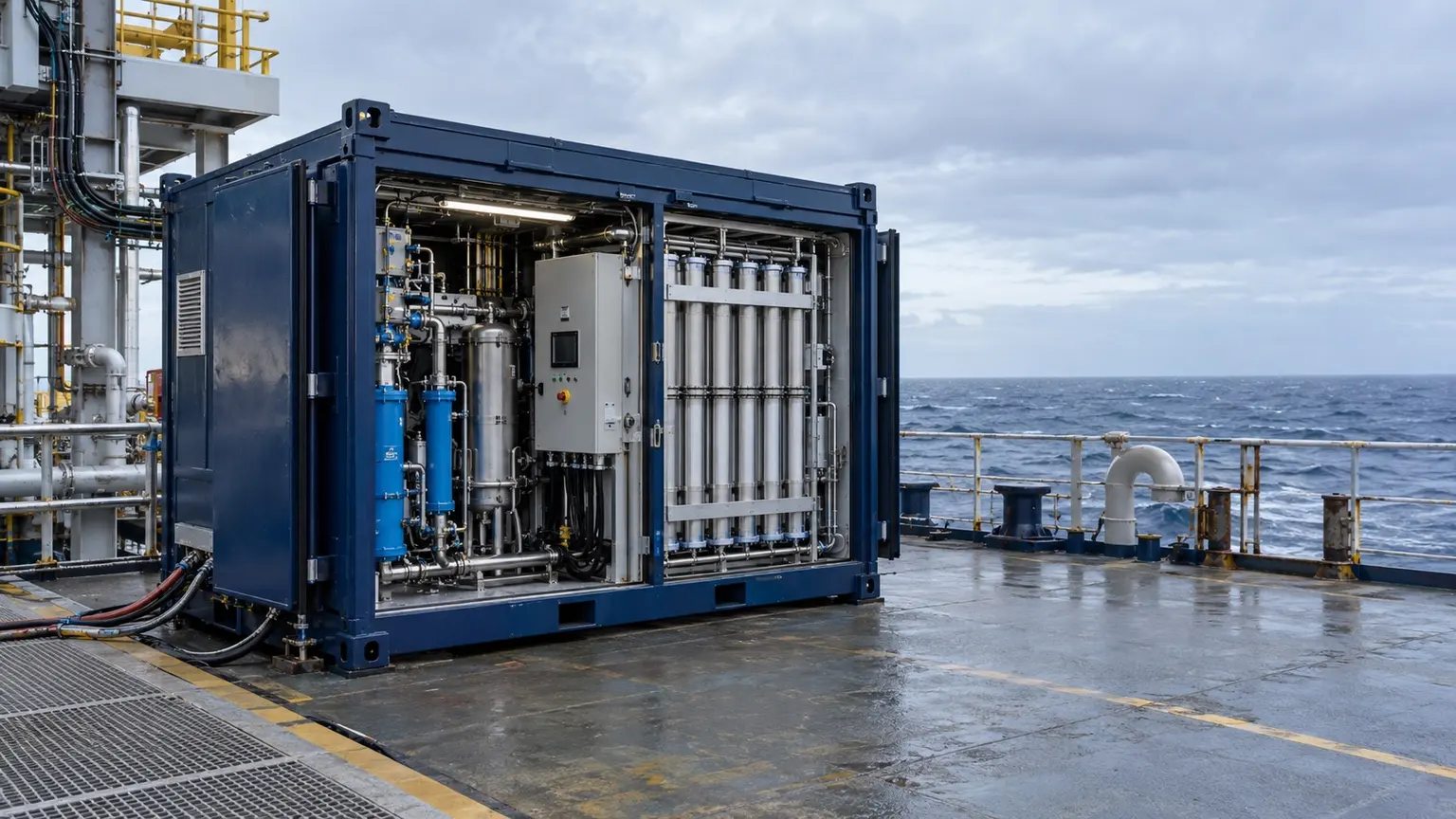
These are reference ranges from existing materials. Maximum flow and highest purity may not coincide. Confirm the model, feed conditions, dew-point basis and optional configuration in the project datasheet.
ENGINEERING NOTES
The following establishes a technical discussion framework. Final performance, scope, certification and acceptance criteria are defined in the agreed technical specification.
Applications can include cargo or tank inerting, line purging, blanketing, maintenance and other shipboard processes. Purity, pressure, peak demand and backup requirements vary significantly by vessel and duty.
ENGINEERING SCHEMATIC
The schematic clarifies the gas path and scope boundaries; final instruments, interlocks and layout follow the project specification.
Review class and flag requirements, machinery space, vibration, corrosion protection, noise, cooling, fire safety, hazardous area, power, ship-shore interfaces and maintenance access.
A Chongqing shipbuilding project used two STD1400/95 systems with a combined reference flow of 2,800 Nm³/h. The project page documents configuration, delivery and acceptance priorities.
Newbuilds can coordinate machinery space, foundations, cabling and piping during design. Retrofits require footprint surveys, off-hire windows, demolition scope and onboard work-risk review. Documentation and commissioning plans differ.
Confirm class rules, material certificates, welding and NDT, pressure tests, electrical drawings, hazardous-area lists, FAT procedure and onboard trials. Type approval versus vessel-specific approval should be clarified during tendering.
Filters, valves, membrane modules or adsorbers, analysers and compressors need removal paths. Layout should include spares storage, lifting, door width, lighting, drainage and safe at-sea service—not only minimum footprint.
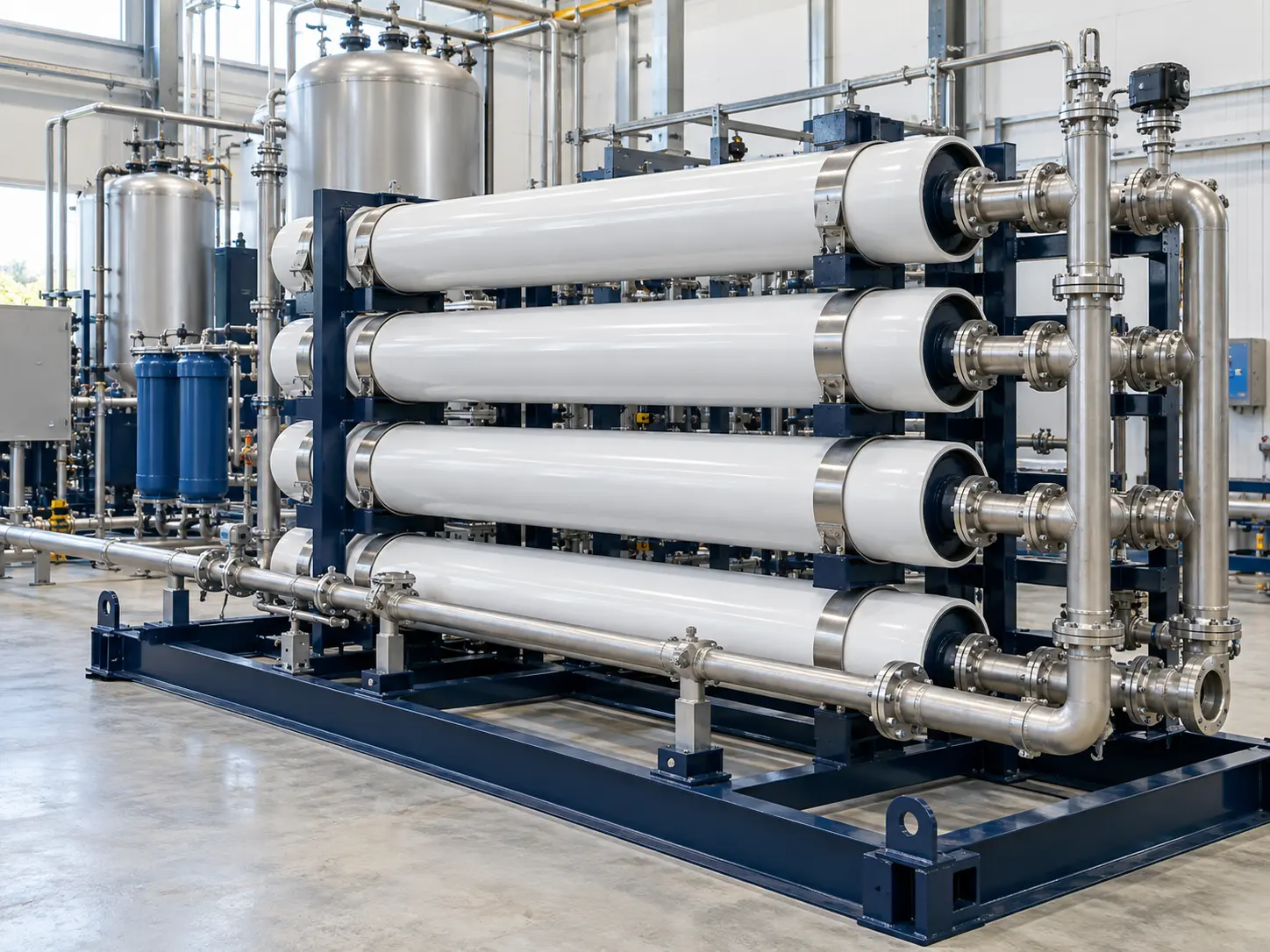
This image explains equipment configuration and engineering processes; it is not a customer-site or acceptance record.
EQUIPMENT & DELIVERY
Air enters the membrane bank. Faster-permeating gases leave on the permeate side, while nitrogen-rich gas exits the product side. Flow, purity, pressure and temperature interact; filtration and feed conditions must follow the membrane supplier’s data.
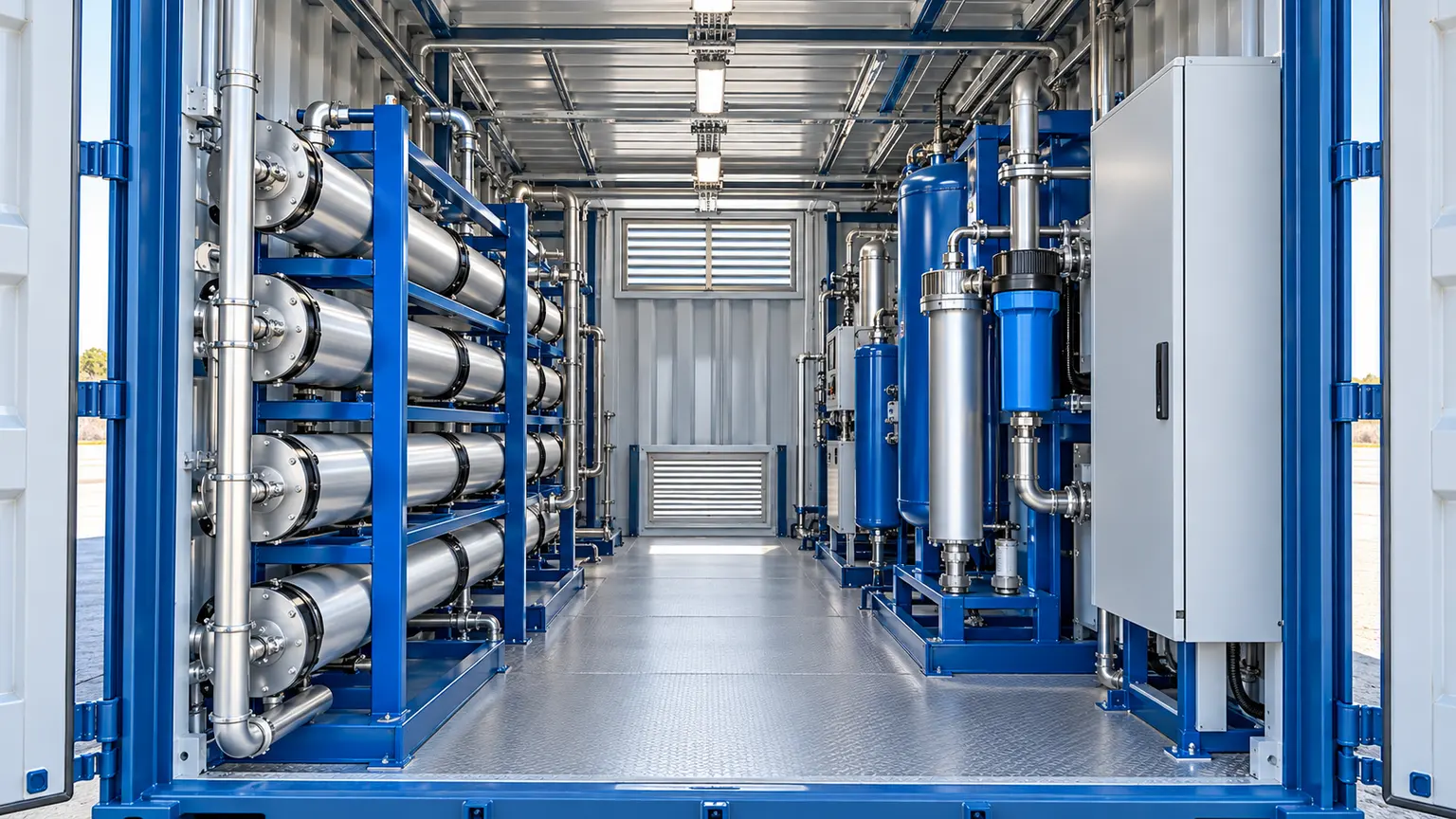
This image explains equipment configuration and engineering processes; it is not a customer-site or acceptance record.
EQUIPMENT & DELIVERY
A container combines equipment and interfaces in an engineered package. Check heat rejection, ventilation, drainage, noise, maintenance and electrical isolation. Transport dimensions and lifting arrangements require a separate review; this concept has no assumed dimensions.
SYSTEM BOUNDARY
PAGE FAQ
The decision combines purity, footprint, weight, start-up, moving parts, maintenance and class requirements.
Provide vessel type, machinery-space dimensions, existing utilities, off-hire window, duty, flow, purity, pressure and class.
Yes, after checking lifting, hatch access, centre of gravity, foundation, vibration and shipboard interfaces.
CONTACT KEVIN
Send Kevin your application, location and the data you have. We will work through the next steps together.